


Basketball Classes for Beginners That Work

The first practice tells you a lot. Some beginners walk into the gym excited but unsure where to stand. Others have energy, hustle, and zero technique. That is exactly why basketball classes for beginners matter. A strong program gives new players more than reps - it gives them structure, confidence, and a real starting point.
For parents, the goal is usually simple. You want your child learning the game the right way, in a positive environment, with coaching that builds skill and character at the same time. For older kids, teens, and adults, the goal may be different. You might want to make a school team, feel less lost in pickup runs, or finally build a foundation that makes the game fun instead of frustrating. Beginner training should meet all of those needs without overwhelming the player.
What beginner basketball classes should actually teach
A lot of people hear "beginner" and think basic means easy. It does not. The early stage is where habits are built, and those habits can either help a player grow fast or hold them back for years. That is why the best basketball classes for beginners focus on fundamentals with purpose.
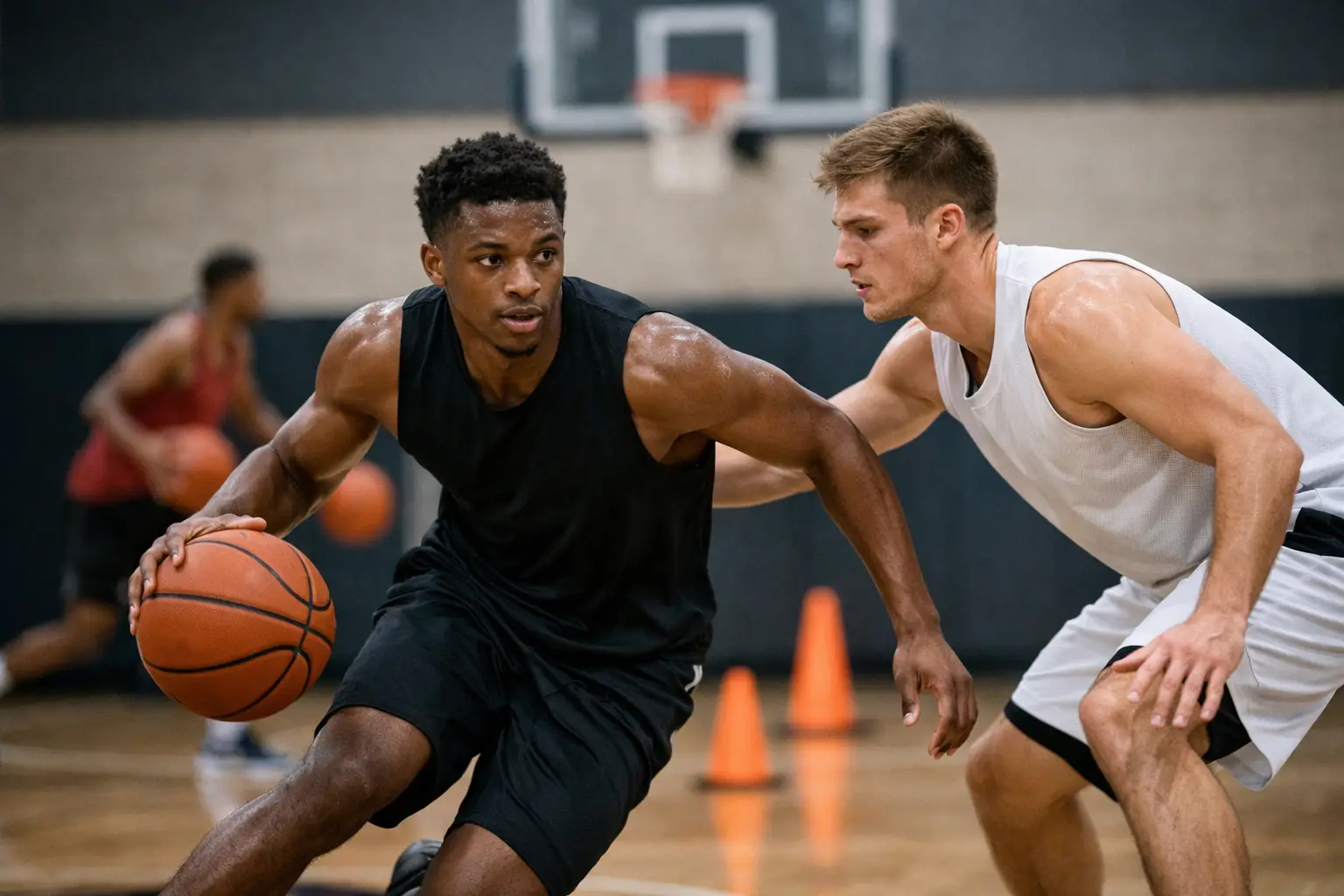
A new player should be learning how to move before worrying about fancy moves. That means stance, balance, footwork, body control, and how to stay ready on both offense and defense. Ball handling comes next, but not just flashy dribbling. Real beginner work teaches how to control the ball with both hands, protect it under pressure, and move with confidence.
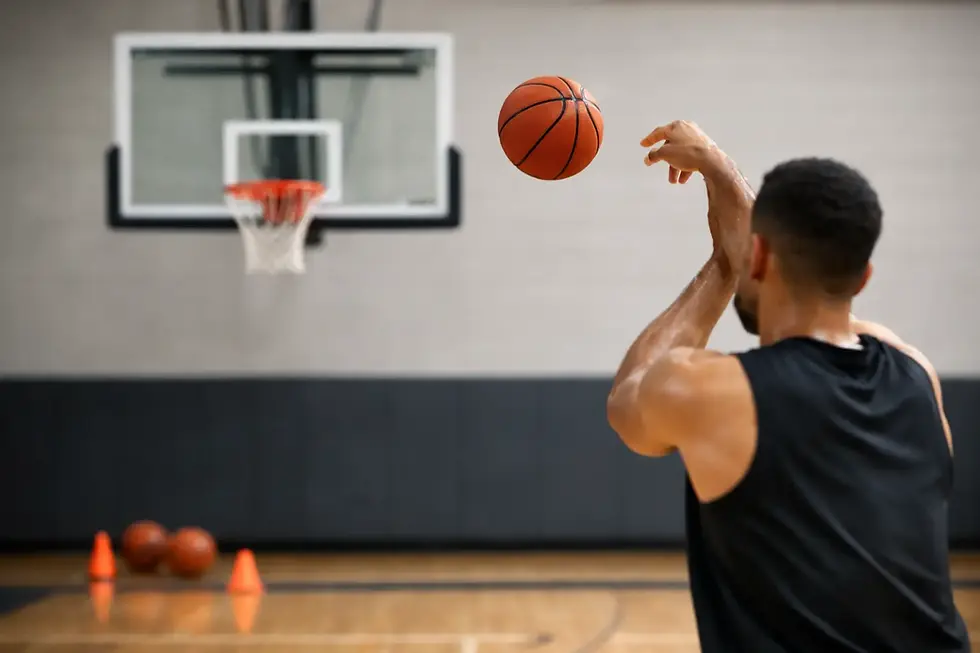
Shooting should also be introduced carefully. Many beginners rush into long-range shots before they can line up their feet, hold the follow-through, or repeat a clean motion. Good coaching slows that down. The goal is not just to make shots today. The goal is to build mechanics that hold up as the player gets stronger and the game speeds up.
Passing, defensive positioning, and game awareness belong in beginner classes too. A player can have decent athleticism and still struggle badly if they do not understand spacing, timing, or where help defense should come from. Beginners need simple, clear teaching that connects drills to real game situations.
Why group classes help beginners grow faster
Private training has value, but group classes are often the right first step for true beginners. The reason is simple. Basketball is a team game, and new players need to learn how to move, communicate, and compete around other people.
In a quality group setting, beginners get repetition without isolation. They see pace, learn how drills flow, and begin to understand what game speed feels like. They also benefit from watching peers. Sometimes a young athlete understands a concept faster after seeing another player succeed or make a mistake.
There is also a confidence factor. Beginners often feel pressure when they are the only one being watched. In group classes, they can settle in, build rhythm, and realize they are not the only one learning. That matters, especially for younger players who need encouragement before they need intensity.
That said, it depends on the player. Some beginners need one-on-one coaching first because they are very shy, very young, or far behind in coordination. Others thrive in a class right away. The best training pathway is the one that fits the athlete, not the one-size-fits-all option.
How to choose the right basketball classes for beginners
Not every program labeled beginner is actually built for beginners. Some are too advanced, too crowded, or too random in structure. If you are choosing a class for your child or for yourself, look closely at how the training is organized.
A strong beginner class has progression. Skills should build week by week instead of changing without purpose. Players need a path, not just a workout. One session might focus on ball control and footwork, while the next adds passing on the move and simple decision-making. That kind of structure creates measurable improvement.
Coaching style matters just as much. Beginners need coaches who can teach clearly, correct mistakes early, and keep standards high without killing confidence. The right coach knows when to push and when to simplify. They understand that effort, discipline, and repetition are what move a player forward.
Age grouping is another big factor. A 6-year-old beginner and a 14-year-old beginner do not need the same environment. Young children often need more movement-based teaching, shorter instruction windows, and a lot of positive reinforcement. Older beginners can handle more direct feedback and more detailed skill work. Programs should reflect that difference.
Location, schedule, and class size also affect results. A great class does not help much if attendance becomes inconsistent. Choose a program that fits real life so the player can stay committed long enough to improve.
What parents should expect from a beginner program
If you are a parent, it helps to know what progress really looks like. It is not always dramatic in the first week or two. Early wins often show up in small but important ways. A child starts dribbling without looking down every second. They stop traveling as often. They begin to understand defensive stance. They raise their hand less to say, "What do I do?"
That is real development.
The best beginner programs build confidence through competence. When kids know what to do, they play harder. When they feel prepared, they become more coachable. And when they are in the right environment, the game starts teaching them more than basketball. It teaches listening, discipline, effort, resilience, and how to respond when something is hard.
That is one reason families look for training programs, not just random rec runs. Structure gives young athletes a chance to improve on purpose. It also gives parents peace of mind knowing their child is being coached in a setting that values growth on and off the court.
Beginner classes for kids, teens, and adults are not the same
The word beginner covers a wide range. A young child touching a basketball for the first time needs a very different introduction than a high school player who is new to organized training. Adult beginners are different again. Many of them want solid fundamentals, conditioning, and confidence without feeling like they are stepping into an environment made only for elite athletes.
That is why smart programs break training into stages. Kids need fun, movement, coordination, and simple habits. Teen beginners need skill development with accountability and game application. Adult beginners usually want practical instruction they can use right away, whether that means pickup basketball, league play, or personal fitness.
The right class meets players where they are but does not leave them there. Progression is the point. At King Of Bounce Training, that mindset drives every level of development, because your best days are in front of you when your training has direction.
Signs a beginner is ready for the next level
A player does not need to be advanced to move beyond beginner classes. They just need a dependable base. Usually that means they can dribble under control with both hands, shoot with improving form, follow directions in drills, and compete without constant confusion.
Readiness also shows up in confidence. Players start asking better questions. They react faster. They recover from mistakes instead of shutting down. Those signs matter because development is not only physical. Mental growth changes everything.
Once that foundation is in place, adding more advanced group work or private training can make sense. That next step should sharpen what the player already knows instead of skipping over missing fundamentals.
Start with the right foundation
The right beginner class can change a player's entire relationship with the game. It can turn nervous energy into confidence, raw effort into skill, and confusion into progress. Whether you are a parent looking for a strong first step for your child or a player ready to finally learn the game the right way, start with coaching that values fundamentals, structure, and real development. When the foundation is strong, everything built on top of it gets better.

Comments