


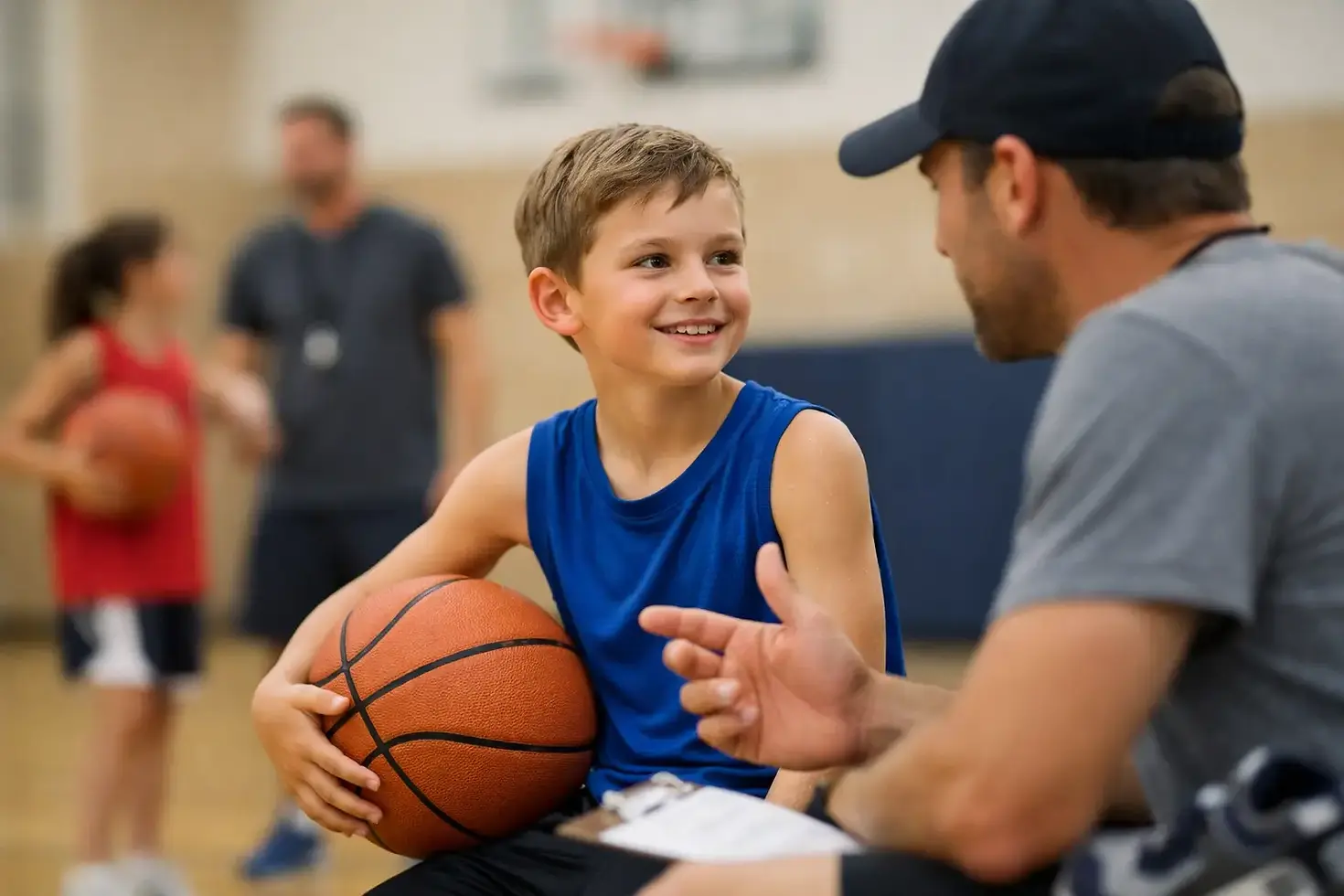
How to Choose Basketball Camps for Kids

The right camp can change a kid’s whole relationship with the game. One great week can build confidence, sharpen fundamentals, and make a young player excited to get back in the gym. That is why parents looking at basketball camps for kids should think beyond a flyer, a schedule, or a catchy name. The best fit is the one that helps your child improve, stay engaged, and feel challenged in the right way.
For some families, camp is about introducing a beginner to basketball in a fun, structured setting. For others, it is about helping a serious player tighten ball handling, footwork, shooting, and decision-making before the next season. Both goals are valid, but they do not point to the same program. If you want real progress, you need to look at how a camp teaches, who it is built for, and whether it matches your child’s current stage.
What makes basketball camps for kids worth it?
A strong camp gives kids more than extra court time. It creates focused reps, professional instruction, and a setting where discipline and encouragement go together. When coaches know how to teach young players, even basic drills carry more value. Kids do not just run through cones and shoot layups. They learn how to move, how to listen, how to compete, and how to build habits that carry into games.
That matters because not every child develops at the same speed. Some kids need confidence first. Others need structure. Others are ready for higher-level correction and harder competition. Good camps recognize that and build progression into the training. A seven-year-old beginner should not be coached like a middle school athlete chasing a roster spot.
The best programs also understand that youth development is bigger than basketball. Parents are not only paying for drills. They are investing in coaching, accountability, and a positive environment. A camp should help kids grow as teammates and learners, not just as scorers.
Start with age, maturity, and current skill level
This is where many families get tripped up. They choose a camp based on convenience or hype, then realize halfway through that the training is too advanced or too basic. The result is frustration. Kids either get overwhelmed or checked out.
Look for camps that clearly separate players by age and ability. That does not mean every group needs to be rigid, but structure matters. Younger kids usually need shorter teaching segments, more encouragement, and simple skill progressions. Older kids and more experienced players can handle detailed correction, game-speed drills, and higher expectations.
It also helps to be honest about where your child is right now. If your player is still learning how to dribble with both hands, a camp built around advanced scoring moves is probably the wrong fit. If your child already plays competitive ball, a camp that spends most of the day on beginner fundamentals may not move the needle enough.
The right program meets players where they are, then pushes them forward. That is how confidence grows. Not from being the best in the gym, and not from surviving a camp that is clearly too much.
What to look for in coaching
The coach is the program. You can have a polished brochure and a packed gym, but if the instruction is weak, the camp will be weak too.
Strong coaches teach with energy and clarity. They know how to break skills down into steps kids can understand. They correct without tearing players down. They keep standards high, but they also know when to encourage, when to challenge, and when to simplify.
Parents should also pay attention to whether the camp teaches with purpose. Are the drills connected to actual game situations? Are kids getting feedback, or are they just being kept busy? A camp filled with nonstop activity can look impressive from the sidelines, but movement is not the same as development.
If the staff can explain what players will work on and why it matters, that is a good sign. Skill development should feel intentional. Shooting, footwork, defense, passing, balance, and court awareness should not be random pieces thrown together.
The best basketball camps for kids build progression
A quality camp does not try to do everything at once. It follows a progression. Young players learn stance, control, coordination, and basic ball handling before they are asked to make complex reads. More advanced players build on those same foundations with pace changes, finishing options, shot creation, and live decision-making.
This is where parents should ask an important question: does the camp help kids improve through a clear path, or is it just a collection of drills? That difference matters.
When progression is built into the training, players can feel success. They master one layer, then move to the next. That keeps them engaged and helps them retain what they learn after camp ends. Without progression, kids may work hard all week and still leave without a clear sense of growth.
Programs that serve a wide range of ages often do this especially well because they understand long-term development. A beginner does not need to train like a varsity guard. But a beginner does need a path that can eventually lead there.
Camp style matters more than most parents think
Not every camp has the same goal. Some are fundamentals-first. Some are more competitive. Some are broad day camps with basketball as one piece of the experience. Others are skill-specific and performance-driven.
That is why families should think about what they actually want out of the week. If your child is new to the game, a camp that mixes instruction, fun, and confidence-building may be the best move. If your player is preparing for school ball, you may want a training environment with higher intensity, more correction, and more game application.
Neither option is automatically better. It depends on the child. A highly competitive camp can motivate one player and discourage another. A lighter camp can help one kid fall in love with basketball and leave another feeling underchallenged.
The best choice is usually the one that stretches your child without making the game feel like punishment.
Questions parents should ask before signing up
Before you register, get specific. Ask how players are grouped. Ask what skills are emphasized. Ask about coach-to-player ratio, daily structure, and how feedback is given. If your child has never trained before, ask whether the camp works well for beginners. If your child is more advanced, ask how stronger players will be challenged.
You should also ask about safety, supervision, and pace. Especially for younger kids, the environment needs to be organized. Kids learn best when expectations are clear and the gym is under control.
Another smart question is what happens after camp. Some programs are designed as a one-time event. Others connect players to ongoing training, assessments, or age-based development paths. If your goal is lasting improvement, that follow-through can make a big difference.
For Texas families, consistency beats flash
In a market with plenty of options, it is easy to get sold on excitement alone. Big promises are common. Real development is harder to find.
Families in Dallas, Fort Worth, Waco, Temple, and surrounding areas should look for training programs that combine skill work, accountability, and age-specific structure. The strongest camps usually come from organizations that already work with players year-round, because they understand development as a process instead of a quick event. That is one reason many parents look for programs connected to proven training systems like King Of Bounce Training, where progression and player growth are part of the model, not an afterthought.
A camp should leave your child better than it found them. Better footwork. Better confidence. Better habits. Better understanding of how to work.
When a camp is not the right next step
Sometimes the best answer is not camp right now. If a child needs more individual attention, private training or a small-group setting may produce better results. If a player is very young, shorter sessions might hold attention better than a full camp day. If your athlete has advanced goals, they may need ongoing development more than a seasonal camp experience.
That is not a negative. It is just part of choosing wisely. The goal is not to sign up for the most popular option. The goal is to place your child in the setting that helps them grow.
Parents know when something clicks. A good program brings out effort, focus, and joy. Kids walk out tired but proud. They talk about what they learned. They want to come back and keep working. That is the standard worth looking for.
If you are weighing basketball camps for kids, trust fit over hype. Choose coaching over marketing, progression over chaos, and development over distraction. Your child does not need the loudest camp in town. They need the one that helps them believe their best days are in front of them.


Comments